
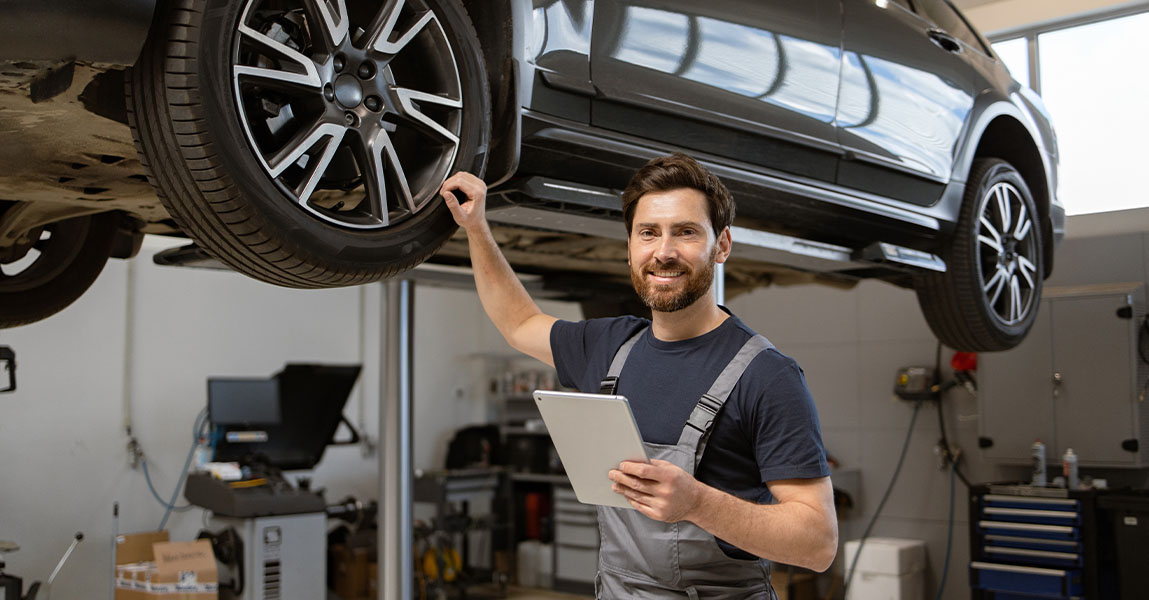
Winter driving in Alberta demands full traction, strong braking control, and predictable handling. At Airdrie Automotive Services Ltd., we often see vehicles still running winter tires that have already passed their safe working condition. Cold temperatures, icy intersections, and packed snow quickly expose weaknesses in worn rubber. When winter tires lose their effectiveness, stopping distances increase and steering response becomes unpredictable.
Understanding the early warning signs can prevent dangerous situations and reduce long term repair costs.
Tread Depth Is Below Safe Winter Levels
One of the most important safety factors is tread depth. Winter tires are designed with deeper grooves and aggressive patterns that grip snow and channel slush away from the contact patch. However, once tread depth drops below about 4 mm, winter traction declines sharply even if the tire still looks acceptable.
Drivers sometimes assume that if the legal minimum is met, the tire is still safe. That is not always true in winter conditions. Reduced tread depth limits the tire’s ability to bite into snow and maintain grip on icy surfaces. At Airdrie Automotive Services Ltd., tire inspections often reveal uneven wear that drivers did not notice. Through professional tire service Airdrie, proper measurement ensures you are not relying on worn rubber during freezing mornings.
Cracks in the Rubber From Extreme Cold
Alberta winters are not mild. Repeated exposure to extreme cold can cause the rubber compound in winter tires to harden over time. As rubber ages, small surface cracks begin to appear along the sidewalls or between tread blocks.
These cracks may seem minor at first. However, they signal that the rubber is losing flexibility. Winter tires depend on soft compounds that remain pliable in freezing temperatures. When that flexibility disappears, grip decreases dramatically. Cracked sidewalls also increase the risk of sudden air loss. A thorough inspection helps determine whether aging rubber has compromised safety.
Uneven Wear and Vibration on Dry Roads
Many drivers use winter tires for extended periods, including dry highway driving late in the season. While winter tires handle cold conditions well, extended dry use accelerates wear. If you notice vibration in the steering wheel or humming noises at certain speeds, uneven tread wear could be the cause.
Cupping, feathering, or flat spots often develop when alignment or suspension components are slightly off. Although the issue appears tire related, underlying mechanical problems can speed up tire deterioration. Our technicians check steering and suspension during routine inspections to ensure the problem is not deeper than the tread itself. You can review all available inspections and maintenance options under our complete automotive services.
Reduced Grip at Intersections
A clear warning sign is loss of traction at low speeds. If your vehicle struggles to accelerate from a stop, even on lightly snow covered roads, your winter tires may no longer be performing properly. Modern traction control systems can compensate temporarily, but they cannot restore lost rubber grip.
Drivers sometimes blame electronics or assume the road is simply icy. In reality, worn tread blocks cannot pack and release snow effectively, which reduces forward traction. If you notice increased wheel spin or longer stopping distances, a professional evaluation is strongly recommended before temperatures drop further.
Tire Age Exceeds Safe Limits
Even if tread depth appears acceptable, age matters. Most tire manufacturers recommend replacing tires after six years, regardless of remaining tread. Rubber compounds degrade over time due to oxidation and temperature cycles.
In Airdrie’s climate, winter tires often experience extreme seasonal transitions. Storing them improperly during summer months can accelerate aging. A date code stamped on the sidewall indicates the production week and year. If your winter tires are approaching or exceeding this range, safety performance may already be compromised.
Frequent Air Pressure Loss
Cold air naturally reduces tire pressure. However, if you find yourself adding air frequently throughout winter, the issue may go beyond temperature changes. Slow leaks from small cracks, bead seating problems, or minor punctures can reduce internal pressure.
Underinflated winter tires lose structural stability and increase rolling resistance. This not only affects fuel efficiency but also impacts braking distance. In some cases, pressure monitoring systems trigger warning lights that are mistakenly linked to electrical faults. Our team can evaluate both tire condition and related components through auto electrical repairs Airdrie if warning indicators persist.
Excessive Road Noise Compared to Previous Seasons
Winter tires naturally produce more road noise than summer or all season tires due to aggressive tread patterns. However, if you notice a sudden increase in humming or roaring compared to previous winters, the tread may have hardened or worn unevenly.
Changes in noise often appear gradually. Many drivers adapt without realizing performance has declined. Comparing current handling and sound levels to past seasons can reveal deterioration. Addressing the issue early helps prevent more serious safety risks when road conditions worsen.
Handling Feels Less Stable on Curves
A healthy winter tire provides confident cornering even on packed snow. If your vehicle feels unstable when turning or seems to slide more than usual, traction performance may be reduced. Sidewall integrity plays a role here as well.
Compromised sidewalls or aged rubber reduce lateral grip. This can be especially noticeable during highway ramps or curved residential streets. At Airdrie Automotive Services Ltd., winter tire inspections include checking sidewall stiffness and tread integrity to ensure stable cornering performance.
Balancing Seasonal Maintenance With Tire Safety
Winter tires are only one part of cold weather readiness. Electrical systems, climate control components, and suspension all contribute to safe winter driving. If heating systems are underperforming, interior defrost efficiency may decline, reducing visibility. That is why some inspections also involve related systems such as automotive AC repairs Airdrie, since heating and ventilation components share system functions.
By reviewing the entire vehicle, our team ensures winter tires are supported by properly functioning mechanical and electrical systems. Complete maintenance planning is always available through our main page at Airdrie Automotive Services Ltd..
Driving through Alberta winters demands dependable traction. Recognizing early warning signs allows you to replace tires before they fail under pressure. Regular inspections help ensure that your winter tires continue to perform when roads are at their worst.
FAQs
How do I know if my winter tires have enough tread?
Winter tires should have at least 4 mm of tread for effective snow traction. Below that level, grip declines quickly even if the tire still meets legal limits.
Can I keep using winter tires if they look fine but are old?
Even if tread appears good, tires older than six years may have hardened rubber. Aging reduces flexibility and winter grip performance significantly.
Why do my winter tires feel slippery on dry roads?
Winter compounds are softer and wear faster on dry pavement. Excessive dry driving can reduce tread life and overall traction capability.
Is it normal for tire pressure to drop in winter?
Cold temperatures naturally lower tire pressure. However, frequent air loss may indicate leaks, cracks, or bead sealing problems that require inspection.
How often should winter tires be inspected?
Winter tires should be inspected at the beginning of the season and mid season. Regular checks ensure tread depth, pressure, and rubber condition remain safe for driving.