
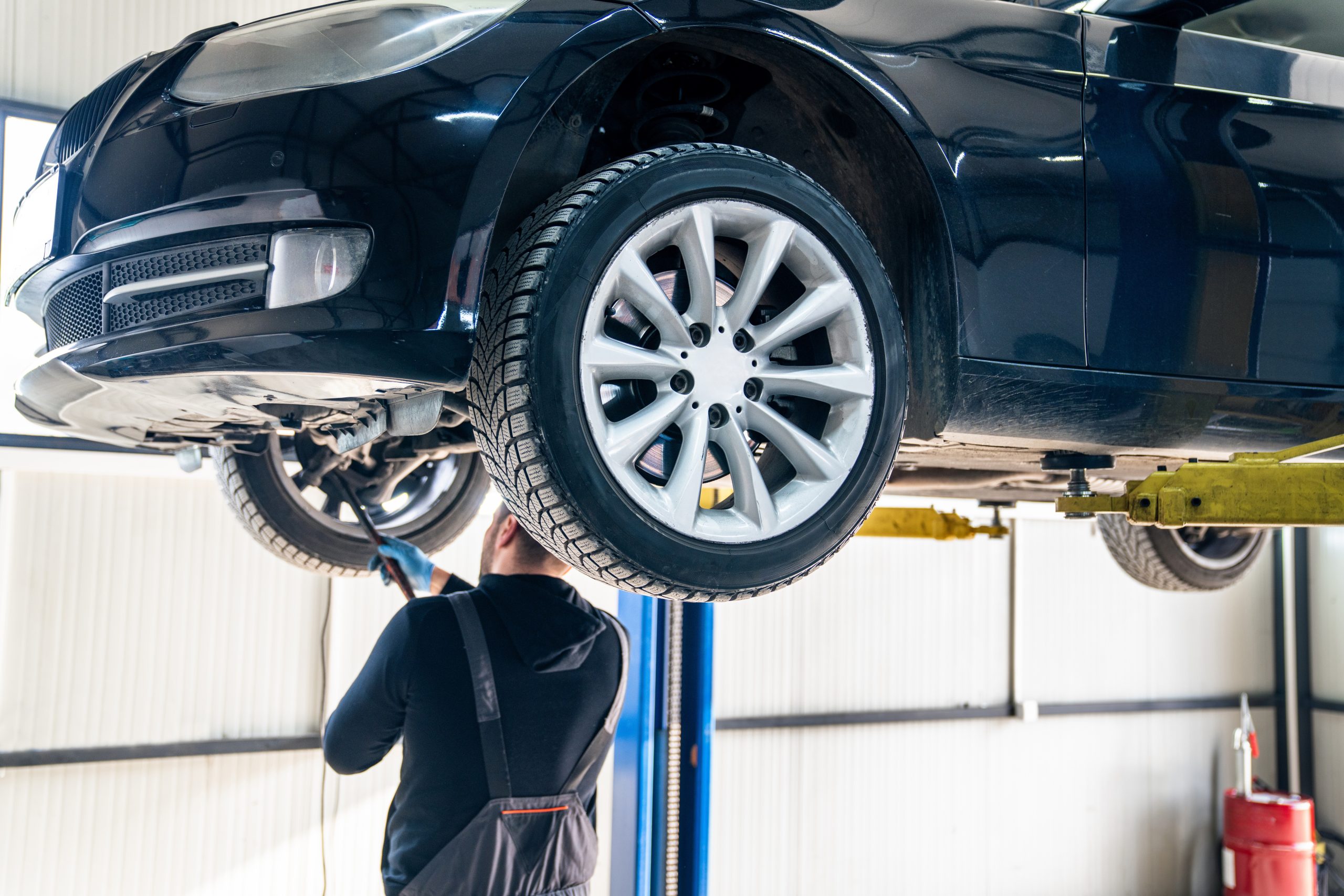
Car suspension problems often start small, but they quickly change how your vehicle feels on the road. At Airdrie Automotive Services Ltd, we see how minor suspension issues turn into major driving concerns when they are ignored. A slight vibration, a soft clunk, or uneven tire wear may seem harmless at first. However, these early signs often point to deeper problems that affect comfort, safety, and control.
Many drivers overlook these warning signs because the car still moves. That is exactly how small issues grow into costly repairs. Therefore, understanding how suspension works and what to watch for can help you avoid bigger trouble later.
How Car Suspension Problems Begin
Car suspension problems usually begin with normal wear and tear. Every time you drive over bumps, potholes, or uneven roads, your suspension absorbs impact. Over time, parts like shocks, struts, and bushings wear down.
At first, the change is subtle. For example, the ride may feel slightly rougher than usual. In addition, the car may lean a bit more when turning. These small changes often go unnoticed because they develop slowly.
However, the system depends on balance. Once one part weakens, the rest of the system works harder to compensate. As a result, the issue spreads faster than most drivers expect. This is why early inspection matters.
If you suspect something is off, a proper check using an automotive computer diagnostic can reveal hidden issues before they get worse.
Why a Small Suspension Issue Affects Everything
A suspension system connects your tires to the road. When car suspension problems appear, that connection becomes unstable. Therefore, your entire driving experience changes.
Steering becomes less precise. Braking distance increases. Tire wear becomes uneven. Most importantly, your control over the vehicle drops. Even a small worn-out component can affect multiple systems at once.
For instance, a weak shock absorber allows the tire to bounce more. That bounce reduces traction. Consequently, braking becomes less effective, especially in wet or icy conditions.
In addition, suspension problems often lead to tire damage. You may notice uneven tread wear or faster tire replacement cycles. Getting regular tire service helps prevent this chain reaction from getting worse.
Common Signs You Should Not Ignore
Car suspension problems give clear warning signs if you know what to look for. Recognizing them early can save time and money.
One common sign is a bumpy ride. If your car feels rough on normal roads, your shocks may be worn. Another sign is drifting during turns. This means your suspension is no longer keeping the vehicle stable.
You might also hear clunking or knocking noises. These sounds often come from loose or damaged components. In addition, uneven tire wear points to alignment or suspension imbalance.
Some drivers notice the car dips forward when braking. Others feel the vehicle sway at higher speeds. All these symptoms indicate that the suspension system is not working as it should.
If you notice any of these issues, it is best to have your vehicle checked through steering and suspension repairs before the damage spreads.
How Suspension Issues Affect Safety
Car suspension problems are not just about comfort. They directly affect your safety on the road. A worn suspension reduces how well your tires grip the surface. Therefore, stopping distances increase and handling becomes unpredictable.
During emergency situations, this can make a major difference. For example, sudden braking or quick steering requires full control. A weak suspension limits that control and increases risk.
In addition, suspension issues can affect braking systems. When weight distribution becomes uneven, brakes do not perform evenly. This can lead to faster wear or reduced braking efficiency.
If braking performance feels off, it may be connected to both suspension and braking components. In such cases, a full inspection, including clutch and brake repair, helps ensure everything works together properly.
Why Early Repairs Save You Money
Many drivers delay repairs because the issue seems minor. However, car suspension problems rarely stay small. They spread to other components and increase repair costs over time.
For example, a worn bushing may seem inexpensive to fix. Yet, if ignored, it can damage control arms, tires, and alignment. As a result, what started as a small repair turns into a larger expense.
Early repairs also protect other systems. Your tires last longer. Your steering remains accurate. Your brakes perform better. Therefore, fixing the problem early saves money across multiple areas.
At Airdrie Automotive Services Ltd, we often help drivers catch these issues before they escalate. That approach keeps repairs manageable and prevents unexpected breakdowns.
How Regular Inspections Help Prevent Problems
Routine checks play a key role in preventing car suspension problems. Even if your car feels fine, small issues can still develop underneath.
A professional inspection looks at shocks, struts, joints, and alignment. It also checks how the vehicle responds during movement. This process helps detect early wear before it becomes noticeable.
In addition, regular maintenance improves driving comfort. Your vehicle feels stable, smooth, and responsive. That makes every drive safer and more predictable.
You can also schedule general service through the main site at automotive services to keep your vehicle in top condition year-round.
What You Can Do as a Driver
You do not need to be a mechanic to notice car suspension problems. Paying attention to how your car feels is enough.
Start by listening for unusual sounds. Notice how the car handles turns and stops. Check your tires for uneven wear. These simple steps can reveal early warning signs.
In addition, avoid rough driving habits. Slow down over bumps and potholes. Keep your tires properly inflated. These actions reduce stress on the suspension system.
Most importantly, act early. If something feels off, do not wait. Small issues are easier and cheaper to fix when addressed right away.
Conclusion
Car suspension problems may start small, but they affect your entire vehicle over time. They impact comfort, safety, and performance in ways many drivers do not expect. Therefore, paying attention to early signs and acting quickly makes a real difference.
At Airdrie Automotive Services Ltd, we focus on identifying and fixing these issues before they grow. A simple inspection today can prevent costly repairs tomorrow and keep your drive smooth and safe.
FAQs
1. What causes car suspension problems?
Car suspension problems are usually caused by normal wear, rough roads, and driving habits. Over time, components like shocks and bushings weaken and affect performance.
2. How do I know if my suspension needs repair?
Signs include a rough ride, drifting during turns, uneven tire wear, and unusual noises. These symptoms indicate the suspension system may not be working properly.
3. Can suspension problems affect braking?
Yes, suspension issues can reduce tire contact with the road. As a result, braking becomes less effective and stopping distances increase.
4. Is it safe to drive with suspension problems?
Driving with suspension issues is risky. Control and stability are reduced, especially during sudden movements or bad weather conditions.
5. How often should suspension be checked?
It is best to have your suspension inspected at least once a year or whenever you notice changes in how your car drives.