
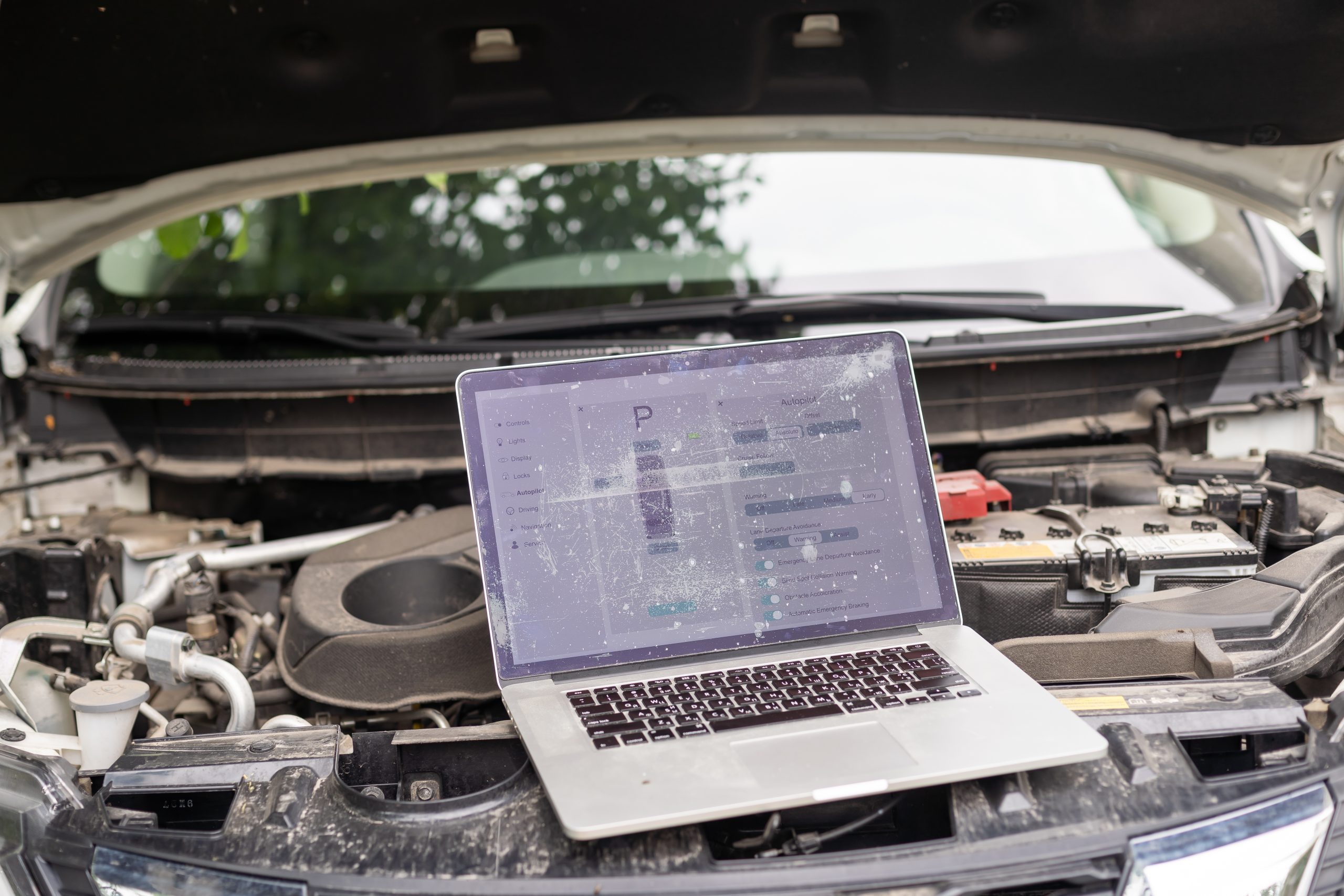
Hearing no codes found after a scan can feel like a relief. Therefore, it’s frustrating when the car still runs rough, stalls, hesitates, or makes a new noise. At Airdrie Automotive Services Ltd., we explain this a lot because a scan tool is only one step, and many real problems do not set a fault code right away.
Modern vehicles watch dozens of sensors, but they only store a code when a condition crosses a specific threshold. However, many issues live in the “almost bad” zone, so the computer sees something odd but not enough to flag it. That is to say, the vehicle can still have a real problem even when the scan report looks clean.
What a scan tool can and can’t see
A basic scan looks for stored trouble codes, and sometimes it checks pending codes. Consequently, it can miss intermittent faults, mechanical wear, weak fuel delivery, vacuum leaks, or airflow problems that stay within expected ranges. Some scan tools also don’t access every module, so the report can be limited depending on the equipment used.
A proper automotive computer diagnostic goes beyond a quick code check. For example, live data shows how sensors behave in real time, and that is often where the story appears. We watch fuel trims, misfire counts, oxygen sensor switching, throttle position, coolant temperature, and more, because patterns matter.
no codes found but the symptoms are real
When a driver says “it feels off,” that matters even if the scan says no codes found. Therefore, we treat the symptom like evidence and build a test plan around it. A car can hesitate only on light throttle, stumble only after warm up, or act up only in wet weather, and those details can point straight to the cause.
Intermittent issues are especially tricky. Meanwhile, if the problem happens for a second and then clears, the computer may not store anything. The vehicle might log a pending fault that clears before it matures into a code, so a one time scan can miss it. That is why testing during the symptom is often more valuable than scanning after it stops.
Common reasons you get “no codes found”
Thresholds and timing rules
Computers need to be confident before they set a code. Consequently, a sensor can drift, a component can weaken, or a connection can get resistance, yet still stay inside limits. Some faults must happen repeatedly in the same drive cycle before the car stores a code.
Mechanical issues do not always trigger codes
For example, a small vacuum leak, a dirty throttle body, low compression, or a sticking thermostat can change how the engine behaves without setting a light right away. Likewise, worn mounts can cause vibration that feels like a misfire, even though the engine is fine.
Electrical problems can be brief
Loose grounds, tired relays, and corroded connectors can cut power for a split second. However, if the signal returns quickly, the module may not store a code. This is where thorough testing and auto electrical repairs become important, because voltage drop and circuit load checks reveal problems a scan cannot prove.
HVAC and comfort systems can hide issues
AC problems often show up as performance changes rather than a code. For instance, a weak cooling fan, a pressure issue, or a small leak can reduce cabin comfort without triggering a dash light. If your system is blowing warm, cycling strangely, or struggling at idle, our automotive AC repairs process focuses on pressure readings, leak detection, airflow, and component operation.
How Airdrie Automotive Services Ltd. diagnoses without relying on codes
At Airdrie Automotive Services Ltd., we start with a conversation about the symptom timeline. Therefore, we ask when it happens, how long it lasts, and what changes it, like speed, temperature, rain, or fuel level. This helps us choose the right test path right away.
Next, we confirm the concern with a road test when needed. In addition, we collect live data while the symptom appears, because that is where hidden clues show up. We also check the basics that cause many “no code” complaints, like battery health, charging output, vacuum integrity, intake duct condition, and fuel pressure when the case calls for it.
After that, we do targeted inspections and measurements. For example, we may smoke test for small intake leaks, measure sensor reference voltages, test grounds, scope a signal, or load test a circuit. To clarify, those steps are how you catch a problem that disappears when the car is parked.
Finally, we connect the findings back to maintenance. Meanwhile, some issues are preventable when service is done on schedule, because filters, fluids, and worn parts can create symptoms before a fault light turns on. Our car maintenance support helps reduce these borderline problems before they become hard failures.
What you can do before your appointment
If you keep seeing no codes found but the vehicle still feels wrong, write down a few quick notes. Firstly, record outside temperature and whether the problem happens on cold start or after warming up. Secondly, note speed, RPM range, and whether it happens during braking, turning, or idling.
Also, pay attention to patterns like “only after fueling,” “only with AC on,” or “only in stop and go traffic.” Consequently, those details save time and help us reproduce the issue faster. If you have a photo of the dash message or a short video of the sound, bring it along.
When you are ready to get it checked properly, start with Airdrie Automotive Services. In other words, a clean scan is useful information, but it is not the final answer.
FAQs
Why would my car run poorly if there are no codes found?
Because many problems stay within the computer’s limits. Therefore, weak fuel delivery, small vacuum leaks, and mechanical wear can create real symptoms without triggering a stored fault code.
Can a cheap code reader miss problems a professional scan finds?
Yes, it can. However, professional diagnostics read more modules and show live data, which can reveal sensor drift, intermittent faults, and pattern changes that a basic reader will not display.
What is a pending code, and why does it matter?
A pending code is an early warning that has not met the threshold to turn on the light. Consequently, it can appear and disappear, so timing matters when scanning the vehicle.
Could an electrical issue happen without any warning light?
Yes, especially if it is brief. For example, a loose ground or corroded connector can cause a momentary dropout, and the module may recover too fast to store a code.
What should I bring to help diagnose a no code problem?
Bring notes about when it happens, outside temperature, speed, and any triggers like AC use or rain. Moreover, a short video or photo can help us confirm the symptom quickly.