
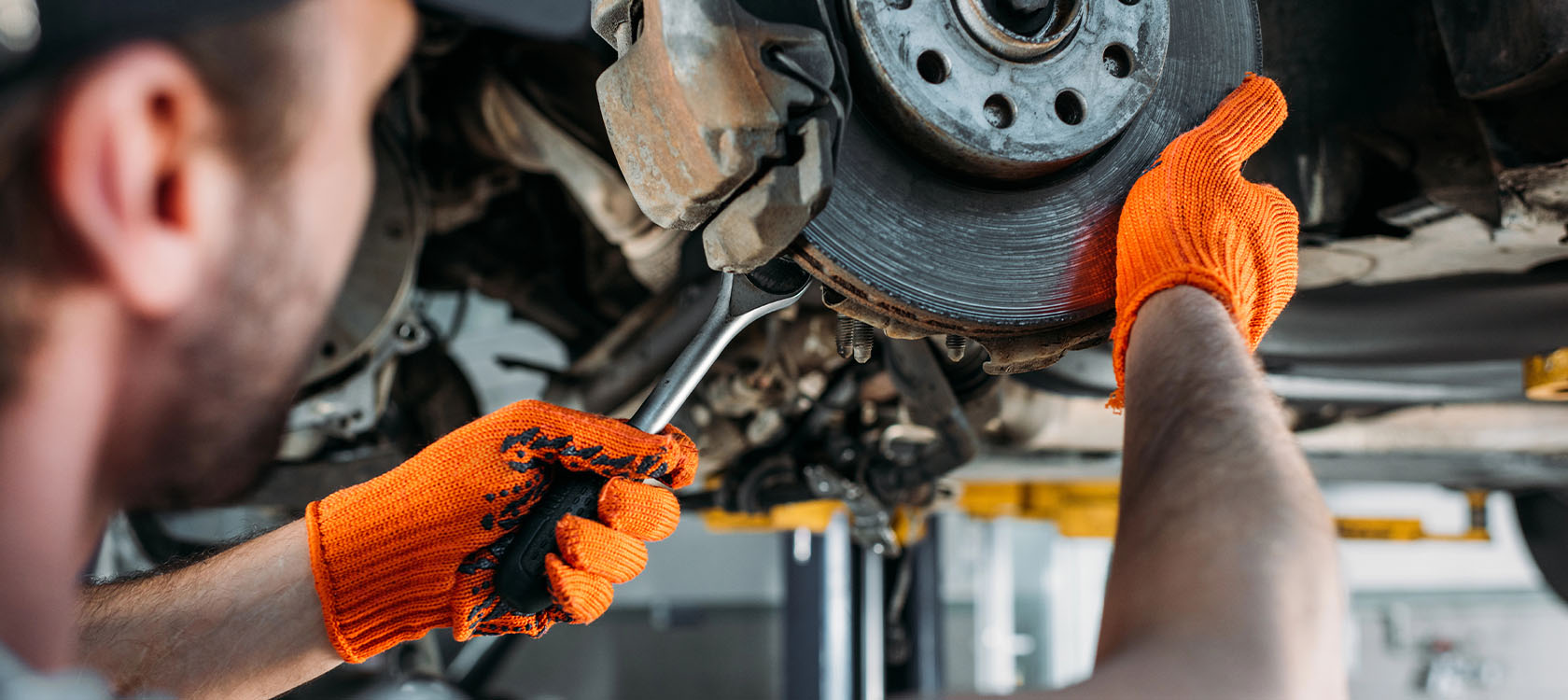
Strut mounts may not get much attention, but they play a serious role in how your vehicle feels and behaves. These parts connect the suspension strut to the vehicle’s body, helping absorb shock while also allowing the strut to rotate when you turn the wheel. If they start wearing out, your ride becomes rough, noisy, and unpredictable. We often see drivers ignore these early signs, thinking the problem lies elsewhere. In reality, worn mounts can lead to bigger suspension damage if left alone too long. Recognizing trouble early helps avoid extra costs and keeps your driving experience stable and safe.
Clunking or Banging Sounds Over Bumps
Unusual sounds when you go over bumps are often the first sign of strut mount wear. When these mounts age, the rubber cushions that absorb movement harden or crack. As a result, metal parts begin to knock against each other. This creates that sharp clunking or banging you might hear especially during low-speed driving or over uneven roads. Even small potholes can trigger the noise once the mount starts to loosen.
These sounds can come from the front or rear, depending on which mounts are worn. However, the noise will often be more pronounced near the wheel wells. We recommend listening closely during cold starts when the rubber is more rigid. For drivers unsure where the noise is coming from, a quick automotive computer diagnostic in Airdrie can confirm the exact source.
Steering Feels Loose or Unstable
Strut mounts also support your steering system, especially in front-wheel-drive vehicles. As they wear down, the connection between your wheels and the steering rack becomes less precise. This can make your steering feel floaty, delayed, or shaky. You may also notice the steering wheel not returning to center naturally after a turn.
Because worn mounts reduce stability, cornering becomes more difficult. At higher speeds, this becomes a safety concern. In addition, you might start feeling more feedback from the road through the steering wheel, which points to increased vibration traveling through the worn rubber or bearing.
When steering trouble pairs with noise or ride issues, we suggest scheduling a car maintenance appointment in Airdrie to inspect all suspension connections, not just the strut mounts.
Excessive Vibration Inside the Cabin
Another common symptom of failing strut mounts is a general increase in vibration inside the vehicle. Unlike other suspension parts, strut mounts help isolate the cabin from road buzz. When they start to crack or break down, even smooth pavement can feel rough. The vibration can show up in the floorboard, steering wheel, or even the seat. It often builds slowly, making it easy to miss until it becomes uncomfortable.
This issue tends to be worse on older vehicles or those frequently driven on rough roads. If the cabin suddenly feels louder or rougher without any major tire or engine issues, chances are your mounts have started to degrade. Vibrations caused by worn strut mounts also tend to increase with speed, which is a clear difference from wheel balancing problems that usually peak at highway speeds and level off.
In many cases, we’ve caught these symptoms during unrelated repairs like clutch and brake repair in Airdrie, which shows how easy it is for drivers to overlook them.
Tire Wear Patterns Look Uneven
Because strut mounts are part of the suspension geometry, they also help keep your wheels aligned properly. When a mount fails, the entire strut assembly can tilt or sag, leading to poor wheel alignment. This shows up as uneven or rapid tire wear, especially on one side of the tire. You might spot cupping, feathering, or deep wear along the inside or outside edge.
Over time, poor alignment puts extra stress on other suspension components, making the entire system less effective. If you recently replaced tires and notice the same uneven pattern again, it’s a good idea to inspect the struts and mounts before rotating or realigning them.
Checking for uneven tire wear should be part of every suspension review, even when the driver’s complaint seems unrelated. In this case, preventative care saves both time and money. You can always start with a quick visit to our auto repair services in Airdrie to have the suspension visually assessed.
Visible Damage or Corrosion Around the Mount
Although it takes a bit more effort, inspecting the mount itself can sometimes confirm the problem. If you look under the hood or inside the wheel well and notice rust, cracking rubber, or separation between the strut and body, the mount likely needs replacing. In some cases, a damaged mount can even allow the strut to push through the top plate, which leads to serious handling trouble.
Visual signs alone aren’t always conclusive, but they add another layer of evidence when combined with noise or handling issues. A shop can remove the strut for a closer inspection, especially if rust has weakened the metal around the mount. If caught early, only the mount may need replacing, but severe wear often requires a full strut replacement.
Drivers unsure about what to look for can always contact us for inspection at Airdrie Automotive Services, especially before planning long drives or taking on winter roads.
FAQs
What do strut mounts actually do?
They connect your strut assembly to the car’s frame while absorbing shock and helping with steering movement in the front suspension.
Can bad strut mounts damage other parts?
Yes. Worn mounts can misalign wheels, strain shocks, and lead to uneven tire wear and premature suspension failure.
How long do strut mounts usually last?
Most last between 80,000 to 160,000 kilometres depending on road conditions, weather, and driving habits.
Do I need an alignment after replacing strut mounts?
Yes. Because the struts are a key part of the alignment geometry, any change to them affects how the wheels sit.
What happens if I ignore worn strut mounts?
The ride gets rougher, steering becomes less accurate, and other suspension parts may fail from added stress.