
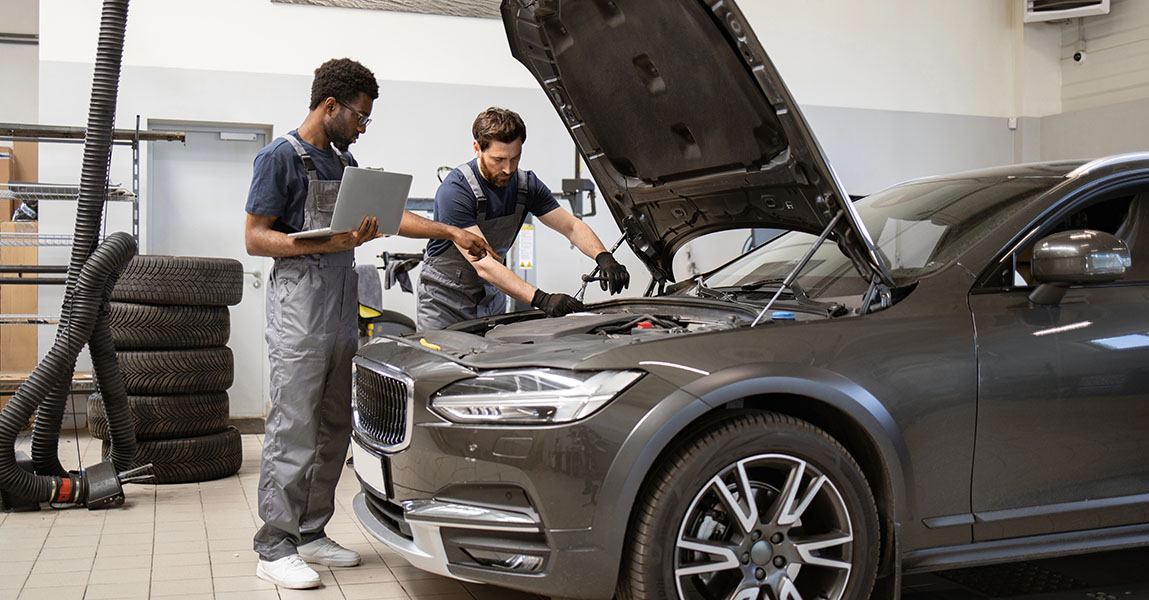
Alberta weather rarely follows a pattern. One day feels like spring, and the next morning the temperature plummets below freezing. These constant shifts stress every part of a vehicle. From battery drain to tire pressure changes, sudden temperature swings cause issues most drivers never expect. We need to stay one step ahead by adjusting how we maintain our cars throughout the year.
Watch for Tire Pressure Fluctuations
Cold snaps often cause tire pressure to drop overnight. Every 10°C decrease lowers pressure by about 1–2 PSI. That means a tire filled to 35 PSI in warm weather might drop to 30 or less when the temperature plunges. Underinflated tires reduce fuel efficiency and increase wear. Worse, they impact traction and braking on slick roads.
We check tire pressure weekly when temperatures swing. During the coldest months, we keep a tire gauge in the glove box and adjust air levels as needed. Overinflation also happens when cold mornings suddenly warm by afternoon. Therefore, we avoid topping off tires when they’re cold unless they’re far below the recommended range.
Extra tip: Temperature swings can cause rubber to stiffen and crack. Look for splits on sidewalls or near the tread, especially if the tires are older.
Schedule regular car maintenance in Airdrie to make sure your tires stay road-ready year-round.
Keep Battery Health in Check
Engine strain increases during temperature shifts. In winter, a battery works harder to crank the engine. But sudden spring thaws and freeze cycles create additional strain on the internal plates. We inspect battery terminals for corrosion and make sure the cables stay snug and clean. A weak battery may work on a mild day but fail when the mercury drops without warning.
We recommend load testing a battery twice per year, especially before deep winter and again in late spring. When the voltage drops or cranking slows, it’s time to replace it before a cold morning leaves you stranded.
Corrosion at the terminal can insulate the connection, leading to no-start problems. Cleaning with a brush and baking soda mixture every few months helps extend battery life.
Inspect All Fluids for Seasonal Response
Freezing temperatures and sudden thaws change how fluids behave. Oil thickens in the cold, which affects startup lubrication. Coolant contracts and expands, increasing pressure in the system. Brake and transmission fluids may lose viscosity, delaying response.
We switch to multi-grade synthetic oil with better flow in subzero conditions. We also ensure the coolant mix is suitable for -40°C, which is common during Alberta cold snaps. The best time to check is during early fall when the engine’s cold and stable.
In addition, low washer fluid levels can freeze in the lines. We top up with -40°C-rated washer fluid, especially after a few snowy days where we spray more frequently.
You can book a diagnostic check in Airdrie to verify fluid levels and identify seasonal concerns before they become urgent.
Test Wiper Blades and Defrosters Often
Frozen rain and sleet leave residue that clogs wiper blades. After a thaw, that buildup freezes again overnight. This creates cracks or warps in the rubber. We replace blades every 6–9 months and never wait until vision is compromised.
We also run the defroster weekly, even in warmer weather, to keep the system active. Moisture from melting snow or warm air can fog the inside glass quickly. A reliable defroster clears vision faster and improves safety during sudden visibility changes.
Poor airflow often comes from a clogged cabin air filter. We change this filter seasonally because it also affects heat output and interior humidity.
Extra tip: Keep an ice scraper in the car year-round. Sudden frost in spring or fall mornings often surprises drivers who already removed their winter tools.
Check Belts and Hoses for Thermal Cracks
Rubber expands and contracts as temperatures change. In Alberta, daily swings of 15°C or more are common. Over time, this movement weakens belts and hoses under pressure. Cracks may form at seams, and coolant leaks may begin around fittings.
We check serpentine belts for signs of glazing or fraying. When the material feels brittle or has visible cracks, it’s time for replacement. Hoses near the radiator or firewall usually wear fastest due to proximity to engine heat and outside cold.
We also squeeze hoses to check firmness. Soft or squishy areas often mean the internal layers are failing. Replacing these parts early prevents roadside breakdowns and keeps engine temps stable.
When leaks do happen, clutch and brake repair services in Airdrie can fix damaged components and check for further fluid loss.
Prepare Emergency Kits for Any Season
Temperature swings can leave you stuck in conditions you didn’t dress for. We keep a year-round emergency kit in the trunk that covers both cold and warm conditions. During spring or fall, it’s easy to leave home in sunshine and break down in freezing rain an hour later.
Our kit includes:
- Heavy blanket
- Gloves and toque
- Ice scraper and small shovel
- High-visibility vest
- Extra washer fluid
- LED flashlight with spare batteries
- Granola bars or dried snacks
- Portable battery booster
Even a small delay during a sudden freeze can turn dangerous without preparation. We suggest rotating perishable items and checking expiration dates twice a year.
Schedule Seasonal Checks Before Problems Start
The best time to prepare is before weather changes catch up with your vehicle. Sudden swings expose small issues that weren’t noticeable when conditions stayed stable. A flickering light, sluggish startup, or delayed shifting might seem minor now but fail completely during a cold snap.
That’s why we check every vehicle’s electronics, brakes, belts, and seals every season. If something’s beginning to fail, it usually shows subtle symptoms first.
We recommend booking an auto repair services in Airdrie inspection twice a year. These checks identify temperature-related risks and help avoid more expensive fixes later.
Avoid Windshield Damage from Thermal Stress
Temperature swings affect more than just moving parts. Windshields can crack quickly when exposed to rapid changes. Pouring hot water on icy glass or blasting hot defrost onto a frozen windshield causes expansion and contraction stress.
We remove frost gradually using interior heat, never with open flames or boiling liquids. Small chips can spread quickly during a cold-to-warm shift. A crack that starts at the edge often stretches across the entire surface when temperatures spike.
Keep a safe following distance on gravel roads, especially in early spring. Loose rocks from thawing shoulders often kick up and leave pits in the glass. We repair chips early to avoid full replacement.
For persistent fog, we also check door seals and clean the inside of the windshield with ammonia-free glass cleaner to reduce moisture buildup.
Maintain Suspension for Road Surface Changes
Freeze-thaw cycles damage road surfaces, creating deep cracks and hidden potholes. Spring and fall are peak seasons for suspension strain. We check for uneven tire wear, unusual noises when turning, and a bumpy or unstable ride.
The rubber bushings and ball joints in suspension systems wear faster with temperature changes. Salt and grit from slush also increase friction, wearing down protective layers. We lubricate suspension parts where applicable and inspect struts for leaking fluid or rust.
Rough handling during these conditions may affect steering precision, causing drifting or uneven alignment. We fix small issues fast to prevent larger steering problems.
If you notice changes while driving, contact Airdrie Automotive Services for a seasonal safety check before any issue gets worse.
FAQs
What causes my car to start fine one day and struggle the next?
Temperature swings affect battery charge, fuel vaporization, and oil thickness. A small change can tip borderline components into failure.
Should I let my car warm up in cold weather?
Yes, for about 30 seconds to one minute. This allows oil to circulate and sensors to stabilize, especially during quick temperature drops.
Why does my tire pressure warning come and go?
Air expands and contracts with temperature. PSI may drop overnight and rise again during the day, causing temporary alerts.
How often should I check fluid levels during weather changes?
We check oil, coolant, and washer fluid every two weeks during unstable weather. These levels drop faster when temperature shifts cause leaks or faster usage.
When is the best time to schedule seasonal maintenance?
Early fall and early spring are ideal. This prepares your vehicle for the most extreme transitions between warm and cold weather.