
Walk into any quick-lube shop and they will recommend flushing nearly every fluid in your vehicle. Consequently, many drivers end up paying for services they do not actually need yet. However, the opposite mistake — ignoring fluids too long — leads to real mechanical damage. So how do you know what genuinely needs attention right now?
Why Fluid Intervals Vary So Much
Every fluid in your vehicle serves a different function. Furthermore, every vehicle ages differently based on mileage, driving habits, and climate. Specifically, a driver who tows a trailer, drives in heavy stop-and-go traffic, or runs their engine hard will consume fluids faster than someone with a short, easy commute. Therefore, blanket rules like “change your oil every 5,000 kilometres” do not tell the full story for every driver.
Airdrie Automotive Services uses computerized vehicle history software that tracks your service records and cross-references manufacturer intervals. As a result, you get an honest picture of what your vehicle actually needs — not a generic upsell.
Engine Oil: The One Everyone Knows
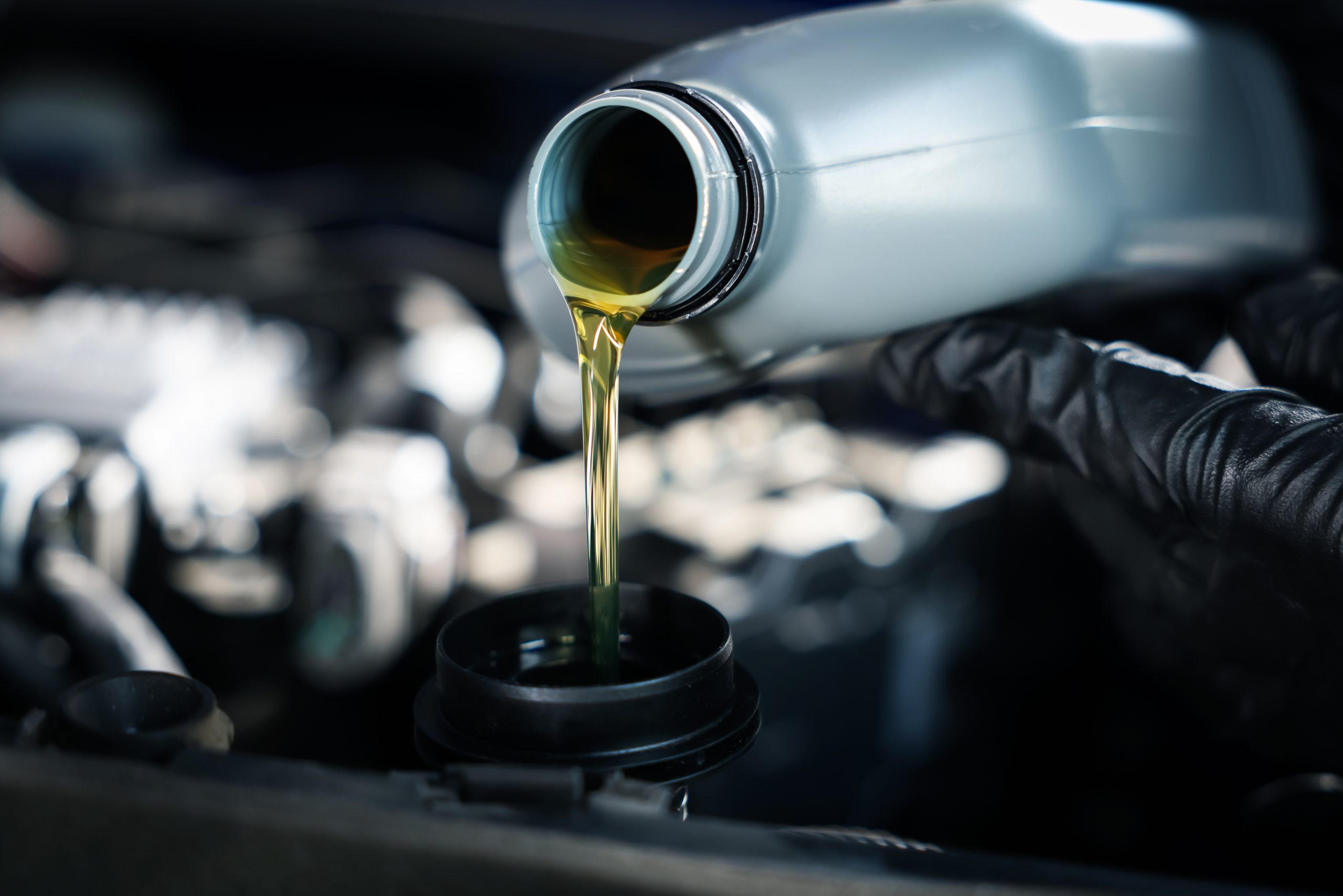
Engine oil does the most critical job in the most demanding environment. Modern synthetic oils last significantly longer than conventional oil — often 8,000 to 15,000 kilometres depending on the engine. However, older vehicles and those using conventional oil still need changes closer to every 5,000 kilometres. Additionally, the oil’s condition matters as much as the mileage. Dark, gritty oil breaks down faster and leaves deposits in the engine.
Check your dipstick regularly. If the oil looks black and feels gritty between your fingers, it needs changing regardless of mileage. Booking scheduled car maintenance puts a trained technician in front of your engine who reads these signs accurately.
Coolant: Ignored Until It Fails
Coolant prevents your engine from overheating. It also protects the cooling system from corrosion and freezing. Many drivers change it far less often than they should. Specifically, most vehicles need a coolant flush every 3 to 5 years or 60,000 to 100,000 kilometres. However, coolant degrades chemically long before it looks dirty. Old coolant becomes acidic and corrodes hoses, the water pump, and radiator over time.
Furthermore, the summer heat in Alberta puts extra demand on your cooling system. A full cooling system check — including coolant condition — makes sense before temperatures peak.
Transmission Fluid: Only If You Want Smooth Shifts
Transmission fluid keeps your gearbox cool and lubricated. Many automatic transmissions now carry “lifetime fluid” claims from manufacturers. However, most mechanics strongly disagree with that label. In reality, automatic transmission fluid degrades from heat and contamination. Consequently, a change around every 60,000 to 80,000 kilometres keeps shifts smooth and prevents expensive internal wear.
Manual transmissions need fluid changes more frequently — often every 30,000 to 50,000 kilometres. A worn clutch also affects how the fluid performs, so technicians often catch related wear during the same visit. That is why Airdrie Automotive Services often combines transmission inspections with a brake fluid service check, as both affect how your vehicle stops and shifts under load.
Brake Fluid: The Safety-Critical One
Brake fluid absorbs moisture from the air over time. As a result, it develops a lower boiling point. Under hard braking — especially in hilly or high-traffic driving — degraded brake fluid can boil, creating vapour bubbles that dramatically reduce stopping power. This is a genuine safety risk, not just a maintenance preference.
Most manufacturers recommend changing brake fluid every two years regardless of mileage. Testing the moisture content of your brake fluid takes less than a minute with a proper tool, and Airdrie Automotive Services includes this check as part of a standard inspection.
Power Steering and AC Fluids
Power steering fluid keeps your steering rack operating smoothly. Old, contaminated fluid damages seals and causes rack-and-pinion wear. Checking it during a power steering fluid check appointment is straightforward and inexpensive. Similarly, the refrigerant and lubricant oil inside your AC system degrade over time, and an AC system service ensures your cooling performance stays sharp through the hottest months.
The Honest Rule: Read Your Fluid, Not Just the Calendar
The smartest approach combines mileage intervals with physical inspection. Specifically, colour, clarity, smell, and texture all tell a story. Clear or amber fluids in good shape can wait. Dark, gritty, or burnt-smelling fluids need changing now.
Airdrie Automotive Services checks every fluid at every service visit. Technicians read the condition, not just the clock. Additionally, combining fluid checks with your tire rotation and inspection appointment means one visit covers your whole vehicle. That saves time and gives you a complete, honest picture of what your car needs — and what it does not.
Frequently Asked Questions
Q: Can I check my own fluids at home? A: Yes. Engine oil, coolant, brake fluid, and power steering fluid all have accessible reservoirs under the hood. Checking colour and level takes two minutes. However, testing fluid condition accurately requires tools most drivers do not carry.
Q: What happens if I skip a transmission fluid change? A: Skipping it long enough causes the fluid to break down and lose its ability to lubricate and cool. Consequently, clutch packs inside the transmission wear faster, leading to rough shifting and eventually costly internal damage.
Q: Is it safe to mix different coolant brands? A: Generally, no. Different coolant formulas use different corrosion inhibitors that can react with each other. Always use the coolant type specified for your vehicle’s make and model.
Q: How do I know if my brake fluid has too much moisture? A: You cannot tell by looking. A technician uses a brake fluid tester that measures the moisture percentage directly. Anything above 3% moisture warrants a change.
Q: Does Airdrie Automotive Services check all fluids in one visit? A: Yes. Every service appointment includes a full fluid inspection. Technicians flag anything that needs attention and explain exactly why, so you leave with clear answers and no surprises.