
Engine misfires during acceleration can feel frustrating and even worrying. When your vehicle hesitates, jerks, or loses power while you press the gas pedal, it is often a sign that something inside the engine is not working as it should. Therefore, understanding the cause early can help prevent bigger issues and costly repairs.
At Airdrie Automotive Services Ltd., we often see drivers dealing with this exact issue, especially when vehicles start aging or maintenance has been delayed. As a result, identifying the root problem quickly is the key to restoring smooth performance and keeping your vehicle reliable on the road.
What Happens When an Engine Misfires
A misfire occurs when one or more cylinders in the engine fail to ignite the air and fuel mixture properly. In other words, the combustion process becomes uneven, which leads to rough acceleration and reduced engine efficiency.
During acceleration, your engine demands more power. However, if even one component fails to keep up, the imbalance becomes noticeable. For example, you may feel shaking, hear popping sounds, or notice a sudden drop in power. Consequently, ignoring these symptoms can lead to further engine damage over time.
Common Causes of Misfires During Acceleration
There are several reasons why your engine may misfire when accelerating. Firstly, worn spark plugs are one of the most common causes. These small components are responsible for igniting fuel, and when they wear out, combustion becomes inconsistent.
Secondly, ignition coils can fail and prevent proper spark delivery. In addition, fuel injectors may become clogged, which disrupts the fuel supply needed for smooth engine operation. Meanwhile, vacuum leaks can introduce excess air into the system, causing an imbalance in the air-fuel mixture.
Electrical issues can also play a major role. For instance, problems in sensors or wiring may lead to incorrect signals being sent to the engine control unit. To clarify these issues, a proper automotive computer diagnostic is often required to pinpoint the exact cause.
How Electrical Problems Affect Engine Performance
Modern vehicles rely heavily on electrical systems to control engine timing and fuel delivery. Therefore, even a small fault can disrupt performance significantly. Faulty sensors, damaged wiring, or failing control modules can all contribute to misfires during acceleration.
For example, a malfunctioning mass airflow sensor may send incorrect data to the engine system. As a result, the engine may receive too much or too little fuel. Likewise, issues requiring auto electrical repairs can directly impact ignition timing and spark delivery.
In addition, battery or charging system problems can weaken electrical output. Consequently, ignition components may not perform properly under load, especially when accelerating.
The Role of Regular Maintenance
Regular maintenance plays a major role in preventing engine misfires. Above all, keeping your ignition system in good condition ensures consistent performance. Replacing spark plugs, checking coils, and cleaning fuel injectors can significantly reduce the risk of misfires.
In addition, routine inspections help detect early signs of wear before they turn into bigger issues. For instance, during scheduled car maintenance, technicians can identify worn components and recommend timely replacements.
Meanwhile, air filters and fuel systems should also be checked regularly. A restricted airflow or poor fuel quality can contribute to incomplete combustion. Therefore, staying consistent with maintenance keeps your engine running smoothly under all driving conditions.
Why Misfires Should Never Be Ignored
It may be tempting to ignore occasional misfires, especially if they seem minor at first. However, this can lead to serious consequences. Misfires can damage the catalytic converter, which is an expensive component to replace.
Moreover, prolonged misfires can increase fuel consumption and reduce engine efficiency. As a result, you may notice higher fuel costs and reduced performance over time. In some cases, severe misfires can even cause engine overheating or internal damage.
In addition, related systems such as air conditioning may also be affected indirectly. For example, if engine performance drops significantly, components connected to automotive AC repairs may not function efficiently.
How Professional Diagnosis Helps
Diagnosing engine misfires requires more than just guesswork. Modern vehicles use complex systems, and identifying the exact issue requires specialized tools and expertise. Therefore, a detailed inspection is essential.
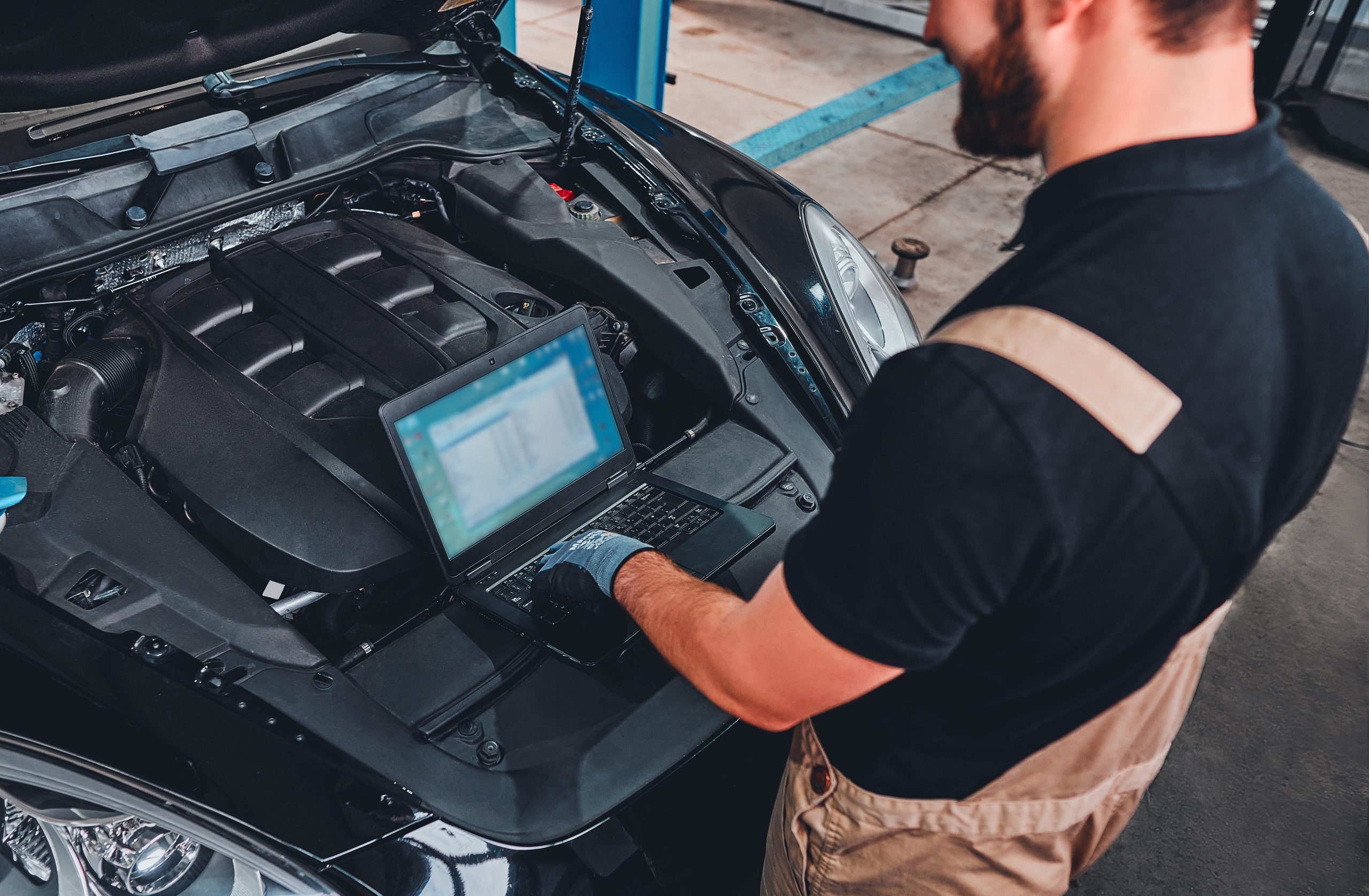
At Airdrie Automotive Services Ltd., technicians use advanced diagnostic equipment to analyze engine performance in real time. In other words, they can detect faults that are not visible during a basic inspection. This process ensures that repairs are accurate and effective.
For example, data from sensors, ignition timing, and fuel delivery can be reviewed to determine the exact cause of the misfire. Consequently, the correct solution can be applied without unnecessary part replacements.
Restoring Smooth Acceleration
Once the cause of the misfire is identified, repairs can restore your vehicle’s performance. This may involve replacing spark plugs, repairing wiring, cleaning injectors, or updating faulty sensors. As a result, your engine will run more smoothly and respond better during acceleration.
In addition, addressing the issue early helps prevent further damage and keeps your vehicle reliable. Most importantly, it ensures a safer driving experience, especially when merging onto highways or driving in traffic.
If you notice hesitation, shaking, or reduced power, it is best to take action quickly. You can learn more about available services by visiting the automotive service center.
FAQs
What are the first signs of an engine misfire?
The first signs usually include rough acceleration, shaking, and a noticeable loss of power. In addition, you may hear unusual sounds or feel vibrations while driving.
Can I drive with an engine misfire?
You can drive for a short time, but it is not recommended. However, continued driving may cause further damage to engine components and increase repair costs.
How much does it cost to fix a misfire?
The cost depends on the cause. For example, replacing spark plugs is relatively affordable, while major electrical or fuel system repairs may cost more.
Will a misfire trigger a check engine light?
Yes, in most cases. Therefore, if your check engine light appears along with performance issues, it is important to have your vehicle inspected.
How can I prevent engine misfires?
Regular maintenance is the best prevention. In conclusion, routine inspections, timely part replacements, and proper diagnostics help keep your engine running smoothly.