
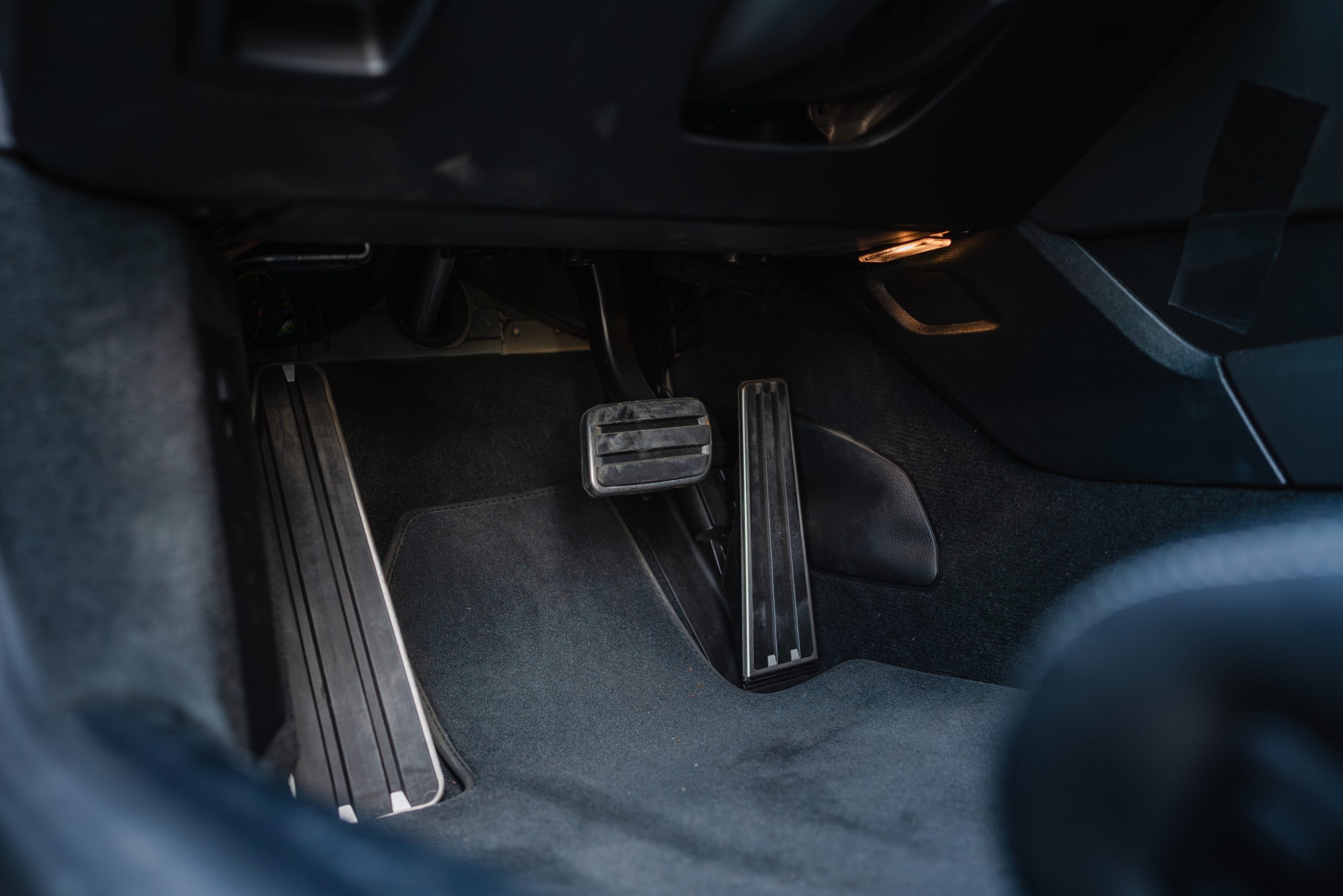
Delayed throttle response is one of those issues that drivers notice immediately. You press the accelerator, but the vehicle hesitates before reacting. That small delay can feel frustrating, especially during merging or passing. At Airdrie Automotive Services Ltd., we often see this problem develop gradually rather than suddenly, which makes early attention important.
In many cases, the delay is not caused by a single failure. Instead, it is the result of several small issues working together. Therefore, understanding how the system responds to your input helps explain why the delay happens and how it can be fixed properly.
How Throttle Response Should Work
When everything functions correctly, pressing the accelerator sends a signal to the engine control unit. That signal adjusts fuel delivery, airflow, and ignition timing instantly. As a result, the engine responds smoothly and without hesitation.
Modern vehicles rely heavily on sensors and electronic controls rather than mechanical cables. That means even a small delay in data communication can create noticeable lag. In other words, the system depends on accurate readings and fast processing at all times.
If the system struggles to interpret or act on your input, the delay becomes obvious. This is why proper testing using automotive computer diagnostic tools is often the first step in identifying the root cause.
Common Causes of Delayed Throttle Response
There are several reasons why your vehicle may hesitate when accelerating. Firstly, one of the most common causes is a dirty or restricted throttle body. Over time, carbon buildup limits airflow, which slows down how quickly the engine reacts.
Secondly, sensor issues can also play a major role. The throttle position sensor, mass airflow sensor, and oxygen sensors all provide critical data. If any of these send inaccurate signals, the system responds slower than expected.
Fuel delivery problems are another factor. For example, clogged fuel injectors or weak fuel pressure can delay combustion timing. Consequently, the engine cannot respond immediately when power is requested.
Electrical faults should not be ignored either. Issues within wiring or modules often require inspection through auto electrical repairs to ensure proper communication between components.
Why the Problem Feels Worse During Driving
Some drivers only notice delayed throttle response in certain situations. For instance, the hesitation may be more noticeable during acceleration from a stop or when climbing hills. This happens because the engine is under higher load in those conditions.
Meanwhile, during light cruising, the delay may seem less obvious. However, that does not mean the issue is gone. It simply means the system is not being pushed hard enough to reveal the problem clearly.
Temperature can also influence how the issue appears. Cold starts or hot weather conditions may change sensor readings and engine behavior. In addition, systems like automotive AC repairs can add extra load, making delays more noticeable.
The Role of Maintenance in Preventing Delays
Routine care plays a key role in preventing throttle response issues. A well-maintained engine responds faster because all components work together smoothly. That is to say, small services can prevent larger performance problems.
Cleaning the throttle body, replacing air filters, and ensuring proper fuel quality all help maintain responsiveness. Moreover, regular inspections allow early detection of sensor or wiring concerns before they cause noticeable delays.
Consistent car maintenance also keeps software and control systems operating correctly. As a result, the vehicle maintains proper communication between systems and avoids unnecessary lag.
Diagnosing the Exact Cause
Finding the exact reason behind delayed throttle response requires a structured approach. At Airdrie Automotive Services Ltd., we begin by scanning for fault codes and reviewing live data. However, not every issue triggers a warning light, which is why deeper analysis is often necessary.
We then inspect airflow systems, fuel delivery, and sensor performance step by step. In addition, electrical connections are checked to ensure signals are transmitted without interruption.
This process allows us to identify whether the issue is mechanical, electrical, or electronic. Therefore, the repair can be targeted rather than guessed, which saves time and prevents unnecessary part replacements.
For more information about how systems are evaluated, you can explore our main services at automotive services.
What Happens If You Ignore the Issue
Ignoring delayed throttle response can lead to more serious problems over time. Initially, the issue may seem minor. However, continued hesitation can affect fuel efficiency and overall engine performance.
In some cases, the delay becomes longer and more unpredictable. That can create unsafe driving situations, especially when quick acceleration is needed. Consequently, what starts as a small inconvenience can turn into a reliability concern.
Long-term neglect may also cause additional wear on engine components. Therefore, addressing the issue early helps maintain both safety and performance.
Practical Steps You Can Take
There are a few simple steps drivers can take when they first notice delayed throttle response. Firstly, pay attention to when the issue occurs. This helps narrow down possible causes.
Secondly, avoid pushing the vehicle too hard until the issue is inspected. Gentle driving reduces strain on the system. In addition, keeping up with regular service schedules supports overall performance.
Most importantly, have the vehicle checked by professionals who understand modern diagnostic systems. That ensures the issue is identified correctly and resolved efficiently.
FAQs
What does delayed throttle response feel like?
It feels like a short pause between pressing the gas pedal and the vehicle accelerating. The delay may be brief or more noticeable depending on the cause.
Can a dirty throttle body cause this issue?
Yes, buildup inside the throttle body restricts airflow. As a result, the engine takes longer to respond when you press the accelerator.
Will a warning light always appear?
Not always. Many throttle-related issues do not trigger dashboard warnings, which is why proper diagnostics are important.
Is delayed throttle response dangerous?
It can be, especially during merging or overtaking. Therefore, it is best to address the issue early before it worsens.
How is the problem diagnosed?
Technicians use scan tools, live data analysis, and physical inspection. This approach helps identify whether the issue is related to sensors, fuel, airflow, or electrical systems.