
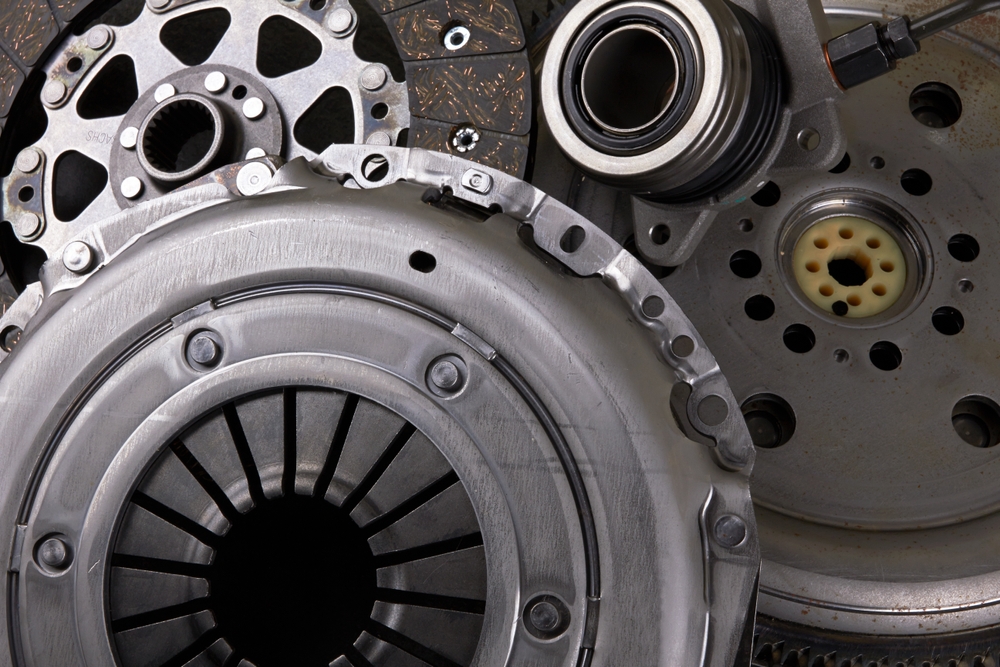
Airdrie Automotive Services knows that clutch repair in Airdrie is rarely on a driver’s radar until the pedal starts feeling wrong underfoot. Manual transmissions are less common than they once were. The drivers who still choose them tend to be loyal to the feel of a well-adjusted clutch. When that connection between engine and gearbox starts to slip or grind, the whole driving experience changes fast. Small issues left alone tend to turn into bigger repairs down the road.
This guide walks through the early warning signs. It covers what typically causes clutch wear on Alberta roads. It also explains how a proper inspection separates a simple adjustment from a full clutch replacement.
Signs You May Need Clutch Repair in Airdrie
Most drivers notice a change in how the pedal feels before anything else goes wrong. The clutch might engage higher or lower than usual. The pedal might feel spongy, or the car might hesitate between shifts. These early signals are worth paying attention to. They usually appear well before a clutch fails completely on the road.
A burning smell after a hill start is another early clue. That smell comes from excess friction as a worn clutch disc slips instead of gripping cleanly. It tends to show up gradually rather than all at once.
Why Clutch Wear Sneaks Up on Drivers
A clutch assembly is a wear item by design. The friction disc, pressure plate, and release bearing work together every time a driver shifts gears. That constant friction gradually thins the material that lets the clutch grip. Stop-and-go traffic and repeated hill starts around Airdrie’s newer neighborhoods speed up that wear, since the clutch engages and disengages more often per trip.
Cold Alberta mornings add another layer. Hydraulic clutch fluid thickens in low temperatures. This can make the pedal feel stiff until the vehicle warms up. Drivers sometimes mistake this seasonal stiffness for a failing clutch, when the real issue is just cold fluid.
Common Symptoms of a Failing Clutch
Recognizing the pattern early gives a shop more repair options. It usually means a smaller job too. The table below lists the symptoms our technicians hear most often, the usual cause, and what an inspection typically involves.
| Symptom | Likely Cause | What We Check |
|---|---|---|
| Slipping under acceleration | Worn friction disc | Disc thickness, pressure plate tension |
| Spongy or low pedal | Air in hydraulic line or fluid leak | Master and slave cylinder, fluid level |
| Grinding when shifting | Worn release bearing or misaligned linkage | Bearing condition, linkage adjustment |
| Burning smell after hard use | Excess slippage generating heat | Disc surface, flywheel condition |
| Pedal sticks to the floor | Hydraulic failure or broken cable | Full hydraulic or cable system |
What Happens During a Clutch Inspection
A thorough inspection starts with a conversation. We ask how the vehicle has been driven and when the symptoms began. From there, our technicians check pedal travel and hydraulic pressure. They also listen for grinding or chattering sounds that point to a worn component versus a simple adjustment issue.
In many cases, the transmission needs to come out to inspect the clutch disc, pressure plate, and flywheel surface. That’s a bigger job than most people expect for a repair that starts with a single symptom. An accurate diagnosis matters before any work begins. We always walk drivers through what we find and provide an honest quote once the assessment is complete, so there are no surprises about scope.
Driving Habits That Extend Clutch Life
A few habits make a measurable difference in how long a clutch assembly lasts:
- Avoid resting a foot on the clutch pedal while driving, since even light pressure causes extra wear
- Shift fully into neutral at stoplights rather than holding the clutch down
- Use the parking brake on hills instead of balancing the clutch against gravity
- Avoid lugging the engine in too high a gear at low speed
These small adjustments won’t prevent normal wear entirely. They can stretch the interval between clutch repair in Airdrie visits by a meaningful margin.
Manual Versus Automatic: Different Wear Patterns
Automatic and continuously variable transmissions use torque converters and clutch packs instead of a single friction disc. They wear differently than a manual clutch assembly, but the underlying idea is the same: friction components degrade with use and heat. Drivers switching from an automatic to a manual vehicle sometimes over-use the clutch out of habit. This can shorten its lifespan compared to a lifelong manual driver.
Industry estimates suggest a well-maintained manual clutch can last well over 100,000 kilometers under normal driving. City driving with frequent stops can shorten that considerably. Every vehicle and driving style is different, so mileage alone isn’t a reliable predictor of when service will be needed.
Why Diagnosis Matters Before Repair
Not every clutch symptom means a full replacement. A sticking pedal might trace back to a hydraulic leak, which is a much smaller repair than pulling the transmission. Grinding on specific gears sometimes points to a synchro problem inside the transmission rather than the clutch itself. That’s why a proper diagnostic step matters, similar to the process our team uses for computer diagnostic services in Airdrie.
Technical standards published by groups like the Automotive Industries Association of Canada help shops stay current on component specifications. This supports consistent, accurate diagnosis regardless of vehicle brand.
Getting Reliable Clutch Repair in Airdrie
Choosing a shop with the right diagnostic equipment matters. Experience across manual and automatic drivetrains makes a real difference in how accurately a clutch problem gets identified. A shop that takes time to road test the vehicle and review driving habits tends to catch the actual root cause, rather than replacing parts on a guess.
We explain findings in plain language before any repair begins. Drivers understand what’s worn, why it matters, and what the repair involves. That conversation, paired with an honest quote once the assessment is complete, helps drivers make an informed decision about next steps.
Frequently Asked Questions
How do I know if my clutch needs replacing or just adjusting?
A slipping clutch under load, a burning smell, or a pedal that has lost its normal resistance usually points to worn friction material that needs replacement. A sticking or spongy pedal without slipping is more often a hydraulic or linkage issue that can sometimes be adjusted rather than replaced.
Can I keep driving with a slipping clutch?
Driving with a slipping clutch is possible for a short time. It accelerates wear and can leave a driver stranded if the clutch fails completely, especially on an incline. We recommend booking an inspection as soon as slipping is noticed.
Does cold weather really affect clutch performance?
Yes. Hydraulic clutch fluid thickens in cold temperatures, which can make the pedal feel stiff until the vehicle and fluid warm up. This is a normal seasonal effect, though it’s worth mentioning to a technician if it seems unusually severe.
How long does a clutch replacement take?
Timing depends on the vehicle and what else needs attention while the transmission is accessible. Many shops also inspect the flywheel and related suspension and steering components during the same visit. Our team provides a time estimate after the initial inspection.
Is clutch wear covered under warranty?
Clutch components are considered wear items on most manufacturer warranties, similar to brake pads, so coverage varies. We can help clarify what applies to a specific vehicle during an inspection.
Book a Clutch Inspection with Airdrie Automotive Services
If the pedal feels different or the car smells hot after a hill start, it’s worth having it looked at. A small issue can become a roadside breakdown if it’s ignored too long. Airdrie Automotive Services is located at 79 East Lake Cir NE, Airdrie, AB T4A 2J6, and is open Monday – Friday, 7:30am – 5:00pm. Call 403-912-0608 to book a clutch inspection or ask a technician about what you’re noticing.