
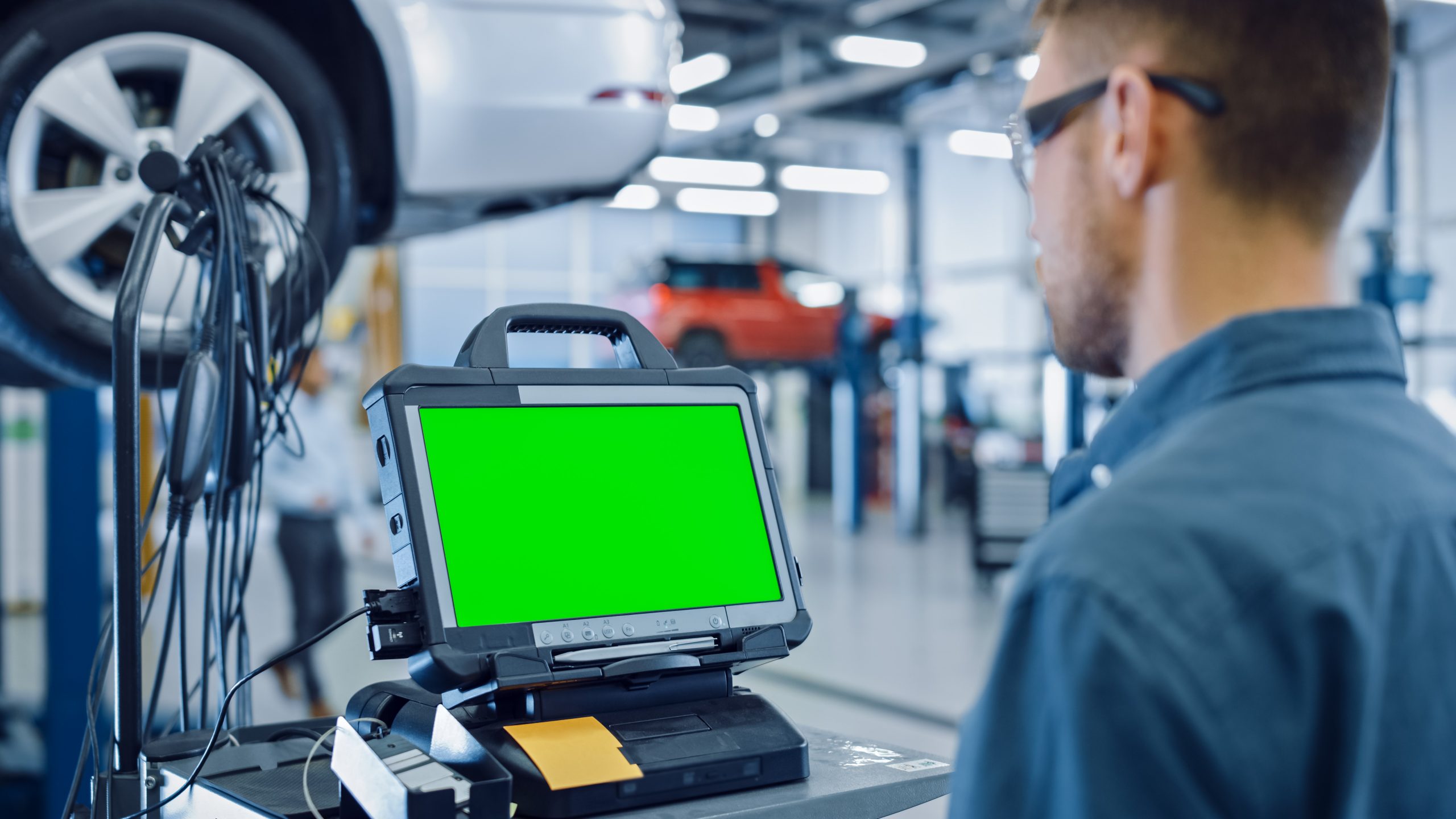
When your car starts acting strange, a car diagnostic scan can save days of guessing. Therefore, Airdrie Automotive Services Ltd. uses scan results plus real testing to pinpoint what is actually happening. Some problems look unrelated at first, but they share one root cause inside the computer network. Moreover, a single warning can trigger multiple systems to behave oddly at the same time.
Why a car diagnostic scan connects the dots
Modern vehicles rely on modules that talk to each other through shared data signals. As a result, one bad sensor value or one voltage issue can create symptoms in places you would never connect. For example, a weak ground at one point can change readings for several sensors, and the vehicle reacts like multiple parts failed. Most importantly, Airdrie Automotive Services Ltd. reads stored codes, live data, and freeze frame snapshots to match the story to the moment the issue appeared.
To clarify, the scan is not a magic wand that replaces diagnosis. In other words, the scan is the starting map, and our technician still follows a process to confirm the cause. That is to say, we use the scan to choose the right tests instead of replacing parts based on guesses. You can learn more about our shop approach through Airdrie Automotive Services.
Five weird symptoms that often come from one source
1) Random warning lights that come and go
A check engine light, traction light, or ABS light may appear together and disappear later. Consequently, the vehicle may store a history code that only shows up during a scan, even if the dash looks normal right now. We look at code types, time stamps, and data patterns so we can separate a real fault from a momentary glitch. Above all, we confirm whether the problem comes from a sensor, wiring, or a module communication issue.
2) Rough idle plus worse fuel mileage
A rough idle and sudden fuel economy drop often share a cause like a bad airflow reading, intake leak, or misfire pattern. Therefore, we compare short term and long term fuel trims with oxygen sensor response, then validate with smoke testing and ignition checks. For instance, a small air leak can push trims high, and the engine computer overcorrects until the idle feels unstable. Most importantly, we fix the cause and verify trims return to normal after the repair.
3) AC that cools sometimes and quits at idle
AC problems can look like “low refrigerant,” but the trigger might be pressure data, fan control, or a compressor command that drops out. However, the scan lets Airdrie Automotive Services Ltd. see whether the system requests cooling, whether the compressor engages, and what pressures and temperatures do in real time. After that, we confirm with physical checks like fan operation, belt condition, and leak testing. If your cabin cooling acts inconsistent, our automotive AC repairs process starts with scan data and ends with verified performance.
4) Strange electrical behavior like flickering lights or dead accessories
Flickering headlights, a radio that resets, or power windows that hesitate can share a voltage drop or charging issue. As a result, modules may reboot or shut down to protect themselves, and the symptoms feel random. We use scan network data and charging system tests to find the real point of failure. If the issue points toward wiring, charging, or module power supply, our auto electrical repairs workflow focuses on clean connections, correct voltage, and stable grounds.
5) Jerky shifting or sluggish throttle response
Transmission feel and throttle response often rely on shared sensors and shared torque signals. Therefore, one incorrect engine signal can make shifting feel harsh, delayed, or unpredictable. We read live data like throttle position, load, speed sensors, and torque request, then confirm with road testing. To clarify, we do not replace a transmission based on a shifting complaint alone, because the cause may sit upstream in engine control or power supply.
What we actually do during the scan appointment
Airdrie Automotive Services Ltd. starts by collecting your timeline, because the “when” matters as much as the “what.” Meanwhile, we check basics like battery condition, charging output, and visible connector issues. Then we run a full system scan and record codes, freeze frame data, readiness monitors, and module communication status. After that, we review live data while the engine runs and while we replicate the symptom on a test drive when it is safe to do so.
Most importantly, we connect scan results to hands on testing, so the repair targets the root problem. For example, if the scan hints at a sensor range fault, we test the sensor signal and the wiring path instead of guessing. If the scan suggests a network fault, we check module power and grounds, and we measure voltage drop under load. That is to say, the scan guides the plan, but the confirmation prevents wasted parts.
If you want to see how that diagnostic process works in detail, start with automotive computer diagnostic service information.
How to prevent repeat issues after the fix
Once the repair is complete, the best protection is consistent upkeep. Moreover, routine checks catch weak batteries, worn belts, leaking fluids, and corroded connections before they trigger multiple symptoms. We also track patterns over time, so a small warning today does not become a bigger failure later. You can support that plan with scheduled car maintenance that matches your vehicle’s age, mileage, and driving style.
In addition, pay attention to repeatable triggers. For instance, if the problem happens only in cold weather, only after rain, or only after fueling up, tell us that detail because it shortens the path to the cause. Above all, bring the vehicle in before the symptom becomes constant, because intermittent faults are often easier to confirm when we can catch them early.
FAQs
What is included in a car diagnostic scan?
Airdrie Automotive Services Ltd. scans all modules, records codes and freeze frame data, and reviews live data. Therefore, the scan becomes a roadmap, and we follow it with targeted testing to confirm the real cause.
Can one fault really cause five different symptoms?
Yes, because modules share sensor values and voltage supply. Consequently, one wiring fault, weak battery, or incorrect sensor reading can affect multiple systems and create symptoms that look unrelated.
Should I keep driving if the warning lights turn off?
Not always, because stored codes can remain even when the dash looks normal. However, the underlying issue may still exist, so booking a scan early helps prevent surprise breakdowns.
Why do you test after scanning instead of replacing the part named by the code?
A code points to a system, not always a failed part. In other words, the code tells us where to test, and confirmation testing prevents unnecessary repairs and repeat visits.
How can I help you diagnose the problem faster?
Share the exact symptoms, the timing, and what changed recently. For example, mention cold starts, rain, recent battery work, or fueling, because those clues help Airdrie Automotive Services Ltd. reproduce the fault quickly.