
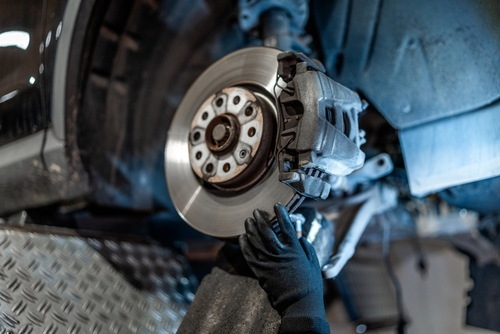
At Airdrie Automotive, we handle brake repair Airdrie drivers depend on to stay safe on every commute. Your brakes work hard through stop-and-go traffic, icy winters and long highway trips. Small warning signs usually appear long before a full failure. We help you catch them early. That protects both your safety and your budget.
Brakes are a wear item on every vehicle. Pads, rotors and fluid all break down over time. Alberta roads add extra stress with grit, road salt and deep cold. This guide explains what quality brake repair Airdrie work involves, what it costs and when to book. You will know exactly what to expect before you visit.
How Alberta Roads Wear Down Your Brakes
Cold winters and gritty spring roads are tough on braking systems. Moisture and salt speed up corrosion on rotors and calipers. Hard stops on icy streets heat pads quickly, then cool them fast. That cycle shortens the life of every part.
Most brake pads last between 40,000 and 70,000 kilometres. Your real number depends on driving style and terrain. City drivers who brake often wear pads faster. Highway commuters usually stretch that range further.
Fluid matters too. Brake fluid absorbs water over time, which lowers its boiling point. Many manufacturers suggest a fluid change every two to three years. We check fluid condition at every visit so nothing gets missed.
Warning Signs You Should Never Ignore
Your car often tells you when brakes need attention. A soft or sinking pedal points to fluid or hydraulic trouble. Grinding usually means the pads are gone and metal is touching metal. Pulsing through the pedal often signals warped rotors.
Watch for these common symptoms:
- Squealing or squealing that turns to grinding
- A pedal that feels spongy or drops toward the floor
- The car pulling to one side when you stop
- A dashboard brake light that stays on
- Longer stopping distances than normal
If you notice any of these, book an inspection soon. Our post on six signs your brakes are failing breaks down each symptom in more detail. A spongy pedal deserves special attention, and we explain what causes that soft feel in a separate guide.
Why Brake Repair Airdrie Drivers Trust Starts With Inspection
We never guess with your safety. Every job begins with a full inspection of pads, rotors, calipers, lines and fluid. We measure pad thickness and check rotors for scoring or warping. Then we road test the vehicle when needed.
This step matters because symptoms overlap. A vibration could mean warped rotors or a suspension issue. A pull could point to a sticking caliper. Careful diagnosis saves you from paying for parts you do not need.
The table below shows how we connect common symptoms to likely causes and repairs.
| Symptom | Likely cause | What we do |
|---|---|---|
| Squeal that becomes grinding | Worn pads, scored rotors | Replace pads, resurface or replace rotors |
| Spongy or sinking pedal | Old fluid, air, leaking line | Bleed system, replace fluid or line |
| Pulsing through the pedal | Warped rotors | Machine or replace rotors |
| Car pulls when stopping | Sticking caliper | Rebuild or replace the caliper |
| Brake warning light on | Low fluid, worn sensor | Inspect, top up, replace sensor |
What Our Brake Repair Airdrie Service Includes
We handle the full range of braking work under one roof. That covers pad and rotor replacement, caliper overhauls and brake line repairs. We also service master cylinders, brake boosters and ABS components. You do not need to visit multiple shops.
Every repair uses quality parts matched to your vehicle. We road test after the work to confirm a firm, quiet pedal. Then we walk you through what we found. Our full brake service page lists every component we cover.
Pads And Rotors
Pads and rotors form the heart of your braking system. Worn pads reduce stopping power and stress the rotors. We measure both and replace what falls below spec. Fresh parts restore a smooth, confident stop.
Hydraulics And ABS
The hydraulic side moves force from your foot to the wheels. Fluid, lines, calipers and the master cylinder all play a role. We test each part for leaks and pressure loss. We also scan and service ABS faults when they appear.
Here is a look at typical service ranges and how long each repair lasts. Prices vary by make and model, so treat these as estimates.
| Service | Typical cost range | How long it lasts |
|---|---|---|
| Front brake pad replacement | $180 to $350 per axle | 40,000 to 70,000 km |
| Rotor replacement | $250 to $500 per axle | 60,000 to 90,000 km |
| Brake fluid flush | $110 to $180 | 2 to 3 years |
| Caliper replacement | $300 to $600 each | 90,000 km or more |
How We Keep Repairs Affordable
Early attention almost always costs less. Worn pads left too long score the rotors, which turns a small job into a bigger one. Catching wear early keeps you in the lower cost range. That is why we recommend regular checks.
Good brake repair Airdrie value comes from timing, and we inspect brakes during routine maintenance at no extra pressure to buy. If something looks close to worn, we tell you and give you time to plan. You stay in control of the timing and the budget. To understand why waiting gets expensive, see our note on how early brake noise becomes a costly problem.
Braking systems are safety-critical, and standards exist for good reason. You can read more about motor vehicle safety through Transport Canada. We follow careful procedures on every job to meet those expectations.
Frequently Asked Questions
How often should I have my brakes inspected?
We suggest a brake check at least once a year, or every 20,000 kilometres. Drivers who tow, commute in traffic or face harsh winters may need checks more often. A quick inspection catches wear before it becomes a hazard.
Do I need to replace rotors every time I change pads?
Not always. If your rotors still meet minimum thickness and run true, we can often resurface them or leave them in place. When they are scored or warped, replacement is the safer choice. We measure them and explain your options.
Why does my brake pedal feel soft?
A soft pedal usually points to old fluid, trapped air or a leak in the system. Moisture in the fluid lowers its boiling point and reduces pedal firmness. We flush the fluid or repair the leak to restore a solid feel.
Can I keep driving with grinding brakes?
We do not recommend it. Grinding usually means the pads are worn away and metal is contacting the rotor. That damages parts quickly and lengthens your stopping distance. Book service right away to stay safe.
Book Your Brake Service Today
Do not wait until stopping feels risky. Reliable brake repair Airdrie drivers count on is a phone call away. Our team inspects, explains and repairs your brakes with care.
Reach us at 403-912-0608 or email info@knibbeairdrie.com. Visit us at 79 East Lake Cir NE, Airdrie, AB T4A 2J6. We are open Monday to Friday, 7:30 am to 5:00 pm. Call today to book your inspection and drive with confidence.